
Ripples of Hope: A Mother, a Son, and a Mission to Save Lives They Never Met
By Natalie Bowers
Debra Bingham keeps a special moment in her mind’s eye, a memory as vivid as a photograph. She’s walking hurriedly down Fort Washington Avenue to attend class at Columbia University School of Nursing NYC campus, holding hands with her young son David, and she’s running late for a class. David, feeling tired from trying to keep up with his mother, looks up at her and asks. "Could you have waited to have me until you finished school?". She laughs at this memory, even decades later. Because of course she couldn't. And because of course, he turned out just fine.
More than fine, as it happened. David Jones grew up to passionately pursue his love of data, research and academic study, eventually becoming an associate professor at Boston University, a public health scholar whose work was published in the New England Journal of Medicine and Oxford University Press. He was a man who believed that the circumstances of your birth, zip code, income, or skin color, should not determine how you live or how you die. He had just recently submitted the manuscript for a book he had been researching for many years about exactly this topic when he threw on his running shoes on the morning of September 11, 2021, and never came home.
He was forty years old. He went for a run when he encountered a staircase near the JFK/UMass MBTA station in Dorchester, a structure so derelict that several of the steps had already fallen away, closed to the public for nearly twenty months, a structure that sat in a lower-income neighborhood where deferred maintenance became as familiar as the commute itself. The steps he ascended gave way and he fell twenty feet.
The man killed by crumbling public infrastructure in a neglected neighborhood had spent his career making precisely this argument: that disinvestment is not a local problem, that neglect does not hold to zip codes, that the structural failures we allow to fester in the communities we have decided matter least will eventually reach us all. Education, income, access; David had all of it. None of it could save him from a staircase that nobody had gotten around to fixing. That is not a personal failure, it’s a metaphor for his entire thesis. David’s untimely and preventable death, due to the disinvestment in primary infrastructure, underscores the main point of his work. Regardless of how many privileges you have in your life, the condition and environment you live among, will directly impact when and how you get sick and even die.
After David’s untimely passing follows the story of a mother who refused to let her son's voice go silent. But it is also the story of where that voice came from in the first place, from a woman who had been fighting preventable death her entire life, long before she knew that was what she was doing.
The Girl Who Almost Wasn't
Debra Bingham was born in Idaho and raised in Utah, in a family she describes as ‘pioneer stock’ who settled hard desert country, who worked coal mines and sheep farms, and who approached life with a practical resolve. She reflects on her grandmothers, who to her, embody this spirit, and who she describes as ‘no shrinking violets’. One of them, Lucille Powell, proved just that on a double date. She was the first lady picked up by a horse and buggy by the two gents, and she immediately felt she was paired with the wrong man, the one riding in the back seat instead of the one driving. So, despite wearing a dress, she climbed over the seat when the buggy made its second pick up stop, and planted herself in the front before the other girl was ever collected. That was the man she married. "Within a few minutes she decided and acted," Debra says, the admiration still fresh in her voice. The other grandmother, Gladys Bingham, was widowed young and simply ran everything that needed running, the household, the farm, the family, without waiting for permission or rescue.
Debra's father was a World War Two veteran and a high school Spanish teacher who didn't just teach the language. He pioneered cultural immersion by taking his students on trips to Mexico. Through his students' exposure to a different culture, he shifted the perspective of an entire town. Her mother helped manage the logistics and, by all accounts, did whatever needed doing. "My dad could see things other people couldn't see," Debra says. "And with my mom's ability, they made things possible that other people simply thought were impossible."
This is the inheritance Debra carries.
When she was twelve years old, Debra weighed just fifty-four pounds, due to undiagnosed Crohn's disease. It was 1968, and she had been quietly starving for months, her gut closing up, food unable to pass through, while a local physician failed to refer her to a specialist. On Thanksgiving, surgeons performed emergency exploratory surgery and found what they hadn't expected. Months later, they removed two feet of diseased ileum. She has done well since, but she has never forgotten the pain and anguish of that experience, what it felt like to be a patient whose suffering went unrecognized for such a long time, and she never forgot the fear associated with that unknowing. She also never forgot what it meant when healthcare professionals started to take active interest in her case and provided her a second lease on life, not just the doctors, but the nurses, who put the effort in to understand and care for her situation.
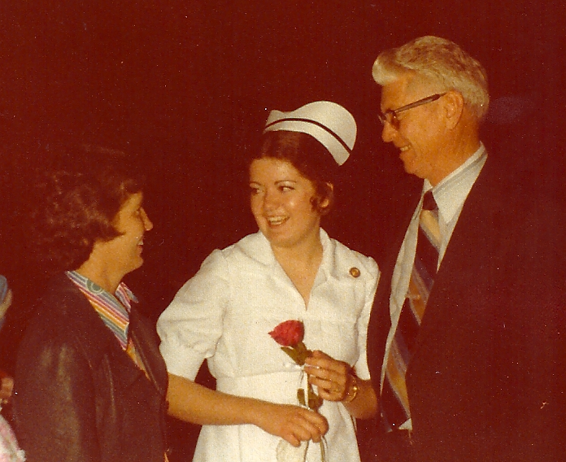
It was partly due to her own child experience, and partly the limited professional options available to women at the time, that influenced her decision to pursue nursing as her own profession. She was practical about it in the way her grandmothers had been practical about everything: it was something she could fall back on, a skill she would learn regardless of what else life brought or in case her family needed her to step up. She got her first nursing associates degree at a small college in Rexburg, Idaho, and she had no idea yet what would come next.
Washington Heights, and a Boy Named David
Debra moved with her first husband to New York City when David was two years old, trying to determine what to do about her failing marriage and knew she needed to get out of Utah to find the answers. She arrived in Washington Heights, the same neighborhood that would later inspire Lin-Manuel Miranda's In the Heights, and made it home for most of her adult life. Both she and David fell in love with the city.
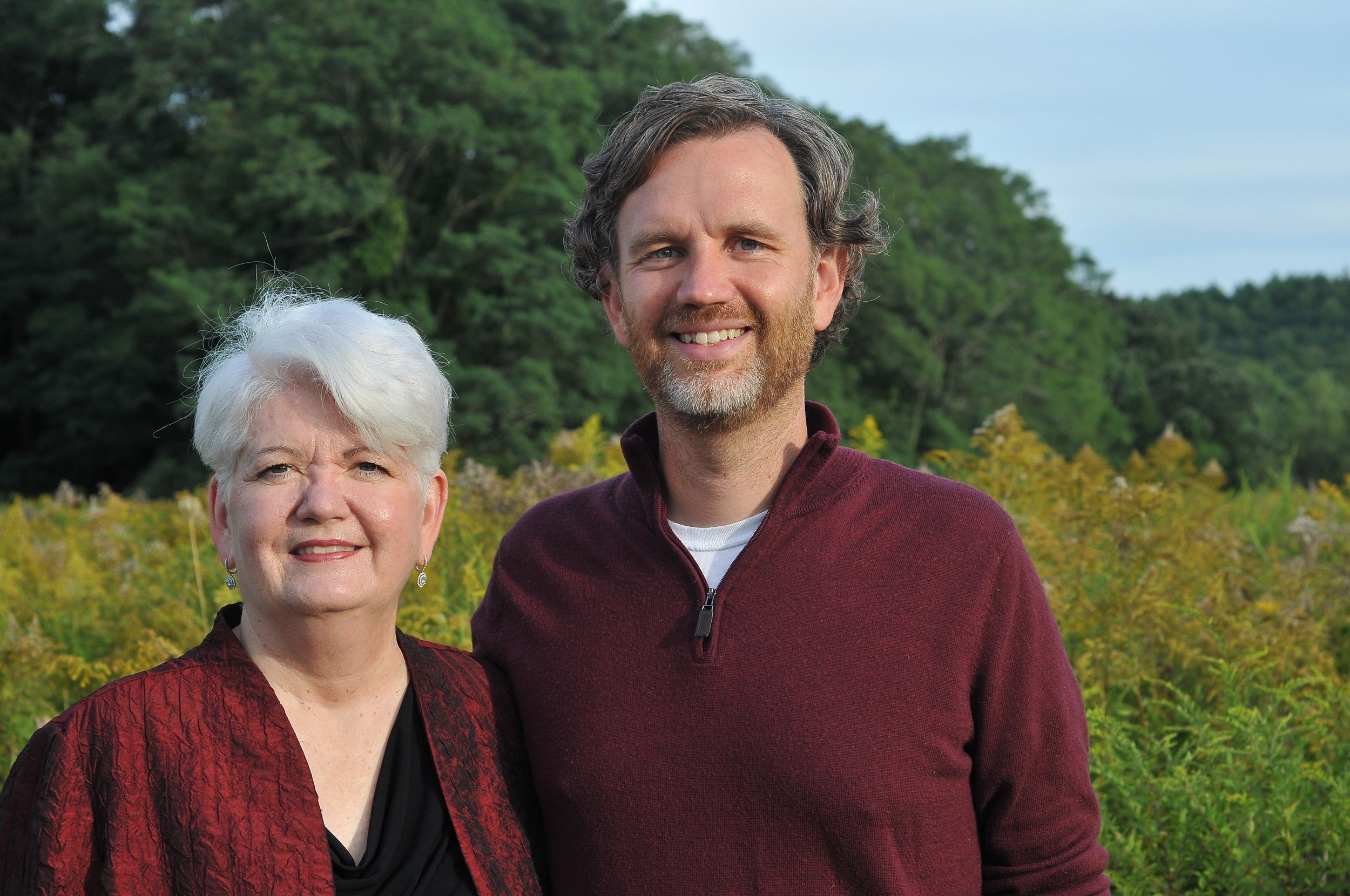
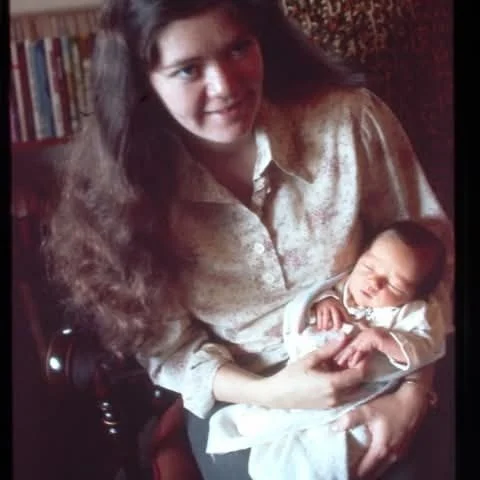
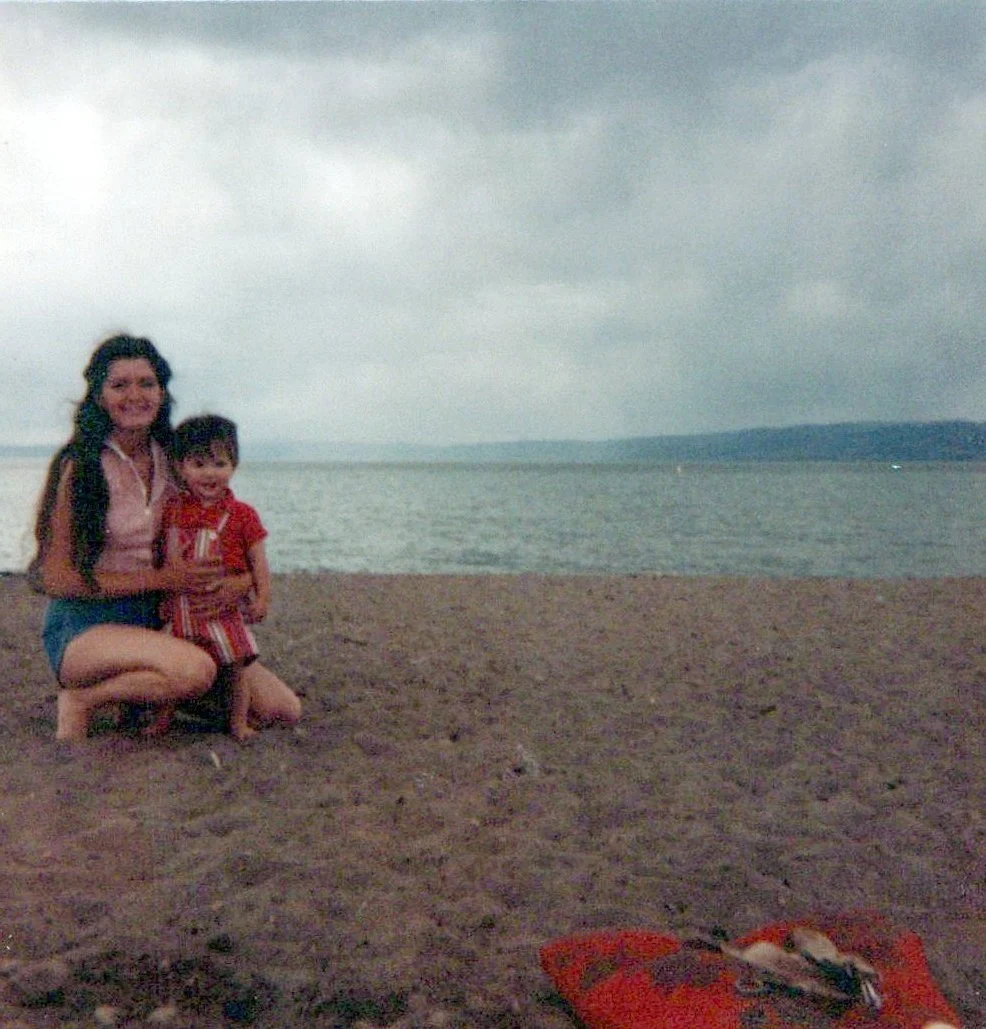
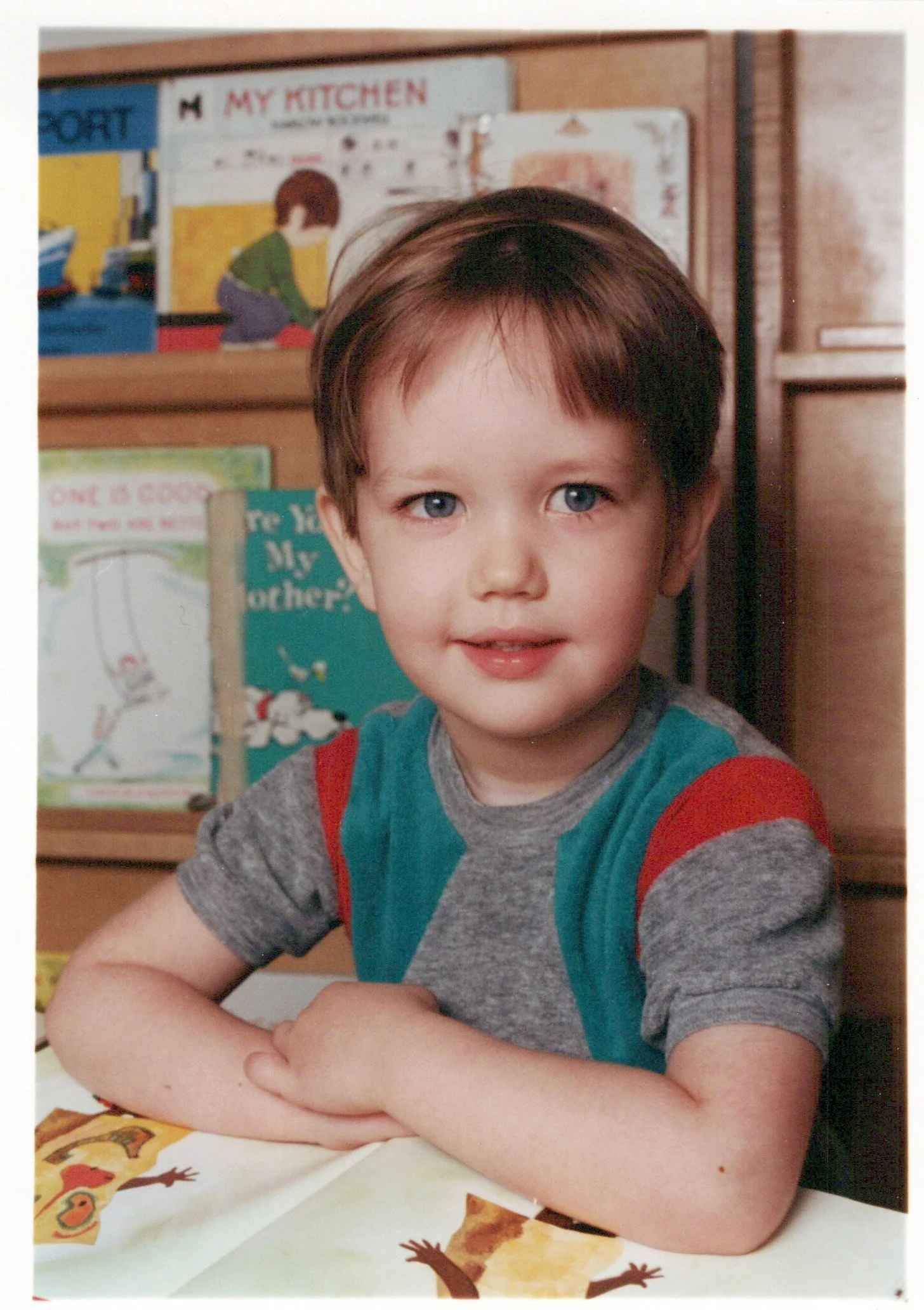
David grew up an avid Yankees fan and even at one time was a vendor at the stadium. He was proud of this job. Long after he had earned his PhD from the University of Michigan, his curriculum vitae still listed "Vendor, Yankee Stadium" right alongside his academic credentials.
While David was growing up, his mother was ‘growing up’ too. She finished her bachelor's degree, then pursued her master's at Columbia University, working full time, raising a son, testing herself relentlessly. David often had to attend class with her. He watched her graduate, camera in hand, when he was ten years old. He was her biggest fan. She was, she believes, quietly shaping his sense of what was possible for a person to become.
She worked in labor and delivery, then in neonatal intensive care, spending thirty years building expertise in perinatal healthcare. She was in a key leadership position as the Director of Maternal-Child Health Nursing at St. Luke’s and Roosevelt Hospitals during the September 11 attacks, and she navigated David's schooling with the acute awareness, born of living in Washington Heights and working in mid-town, of how profoundly unequal the city's schools were, eventually moving him to a private high school. There, he encountered, for the first time, a classmate who totaled a Mercedes and had a new one by the following week. Witnessing this class difference was jarring, and it was also, in its own way, educational.
She remarried in 1997, to Kent, a retired businessman who plays trumpet in a German band and the 100 year old Canton Community Band. She has since taken up the glockenspiel, and she calls Kent the person who supports her through this work and gets her out of the house. They met in a church choir in New York City and now sing together in a community choir in Brookline called Neighborhood Rocks music she has found, is one of the things that makes grief livable.
The Numbers That Changed California
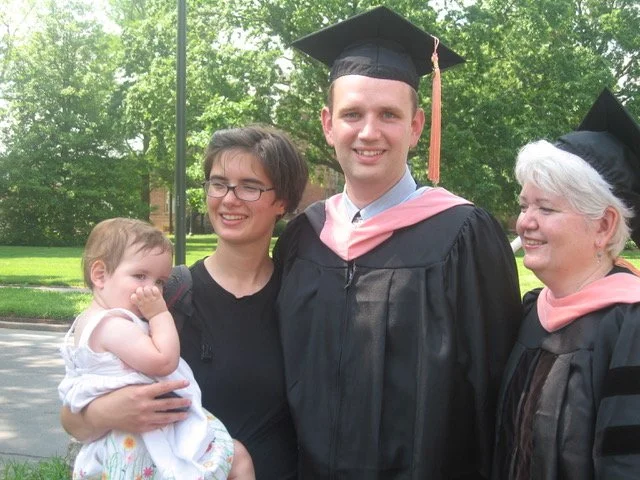
When Kent took a job in California, Debra was pursuing a doctorate in public health at the University of North Carolina, shortly afterward David started working on his own master's degree there. They graduated from the same department on the same day in 2009. A mother and son, degrees in hand, each one shaped by everything the other had survived.
It was in California that Debra did the work she considers one of the major achievements of her career. As a quality improvement leader with a mandate that covered the entire state, she set out to understand why women were dying in childbirth, and what could be done about it.
The method was meticulous and data-centric. She helped form a review committee, the Pregnancy-Associated Mortality Review, and they read every maternal death that had occurred over a three-year period. In every case they asked what were the improvement opportunities, identified patterns among the cases, asking: how preventable was this death?
What rose to the surface were deaths caused by hemorrhage. Women were bleeding to death, not because the treatments didn't exist, but because the bleeding wasn't being measured accurately enough, quickly enough, for anyone to understand how much danger the patient was in. Nurses were reporting to doctors by saying that a patient had lost "a lot of blood." Debra thought about this problem the way she thought about all problems, practically, and so she decided that the answer was to quantify blood loss.
A few years before this, when Debra was in charge of a neonatal unit, she’d weigh diapers to determine urinary output.. Taking inspiration from this approach, she trained nurses to measure blood loss in milliliters rather than visual impressions. She shifted the conversation from "she's lost a lot of blood" to "she's lost 900 milliliters" to "she's lost 1,200 milliliters." That shift, from approximation to data, saves lives. Maternal deaths in California dropped by fifty percent over five years.
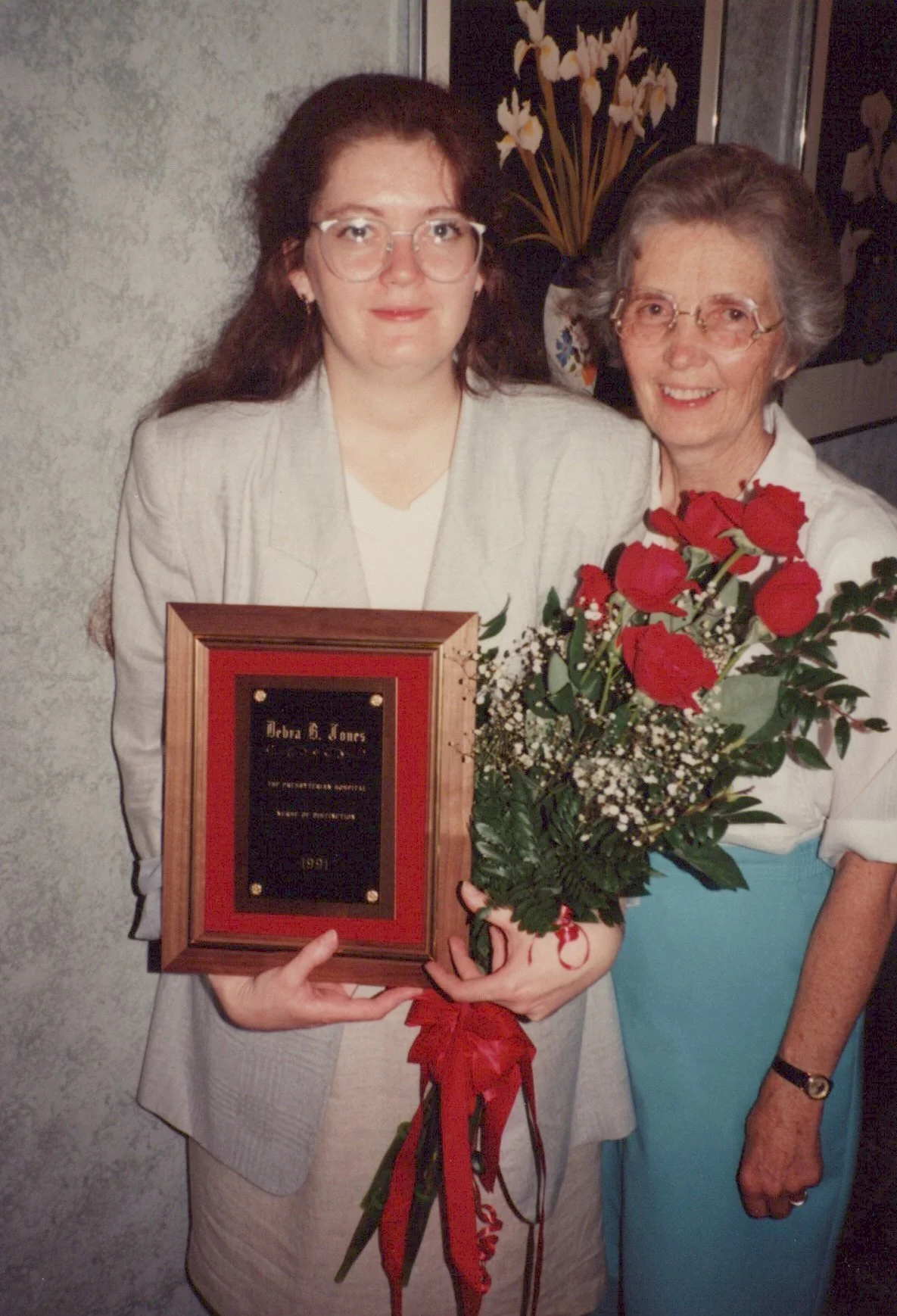
Following her work in California, she became a vice president for the Association for Women’s Health, Obstetric and Neonatal Nurses (AWHONN), In this role she spread the work she started in California across the U.S. and started numerous other life saving initiatives, such as Post-birth Warning Signs, Maternal Fetal Triage Index, and an Obstetric Patient Safety course. She is being honored with a lifetime achievement award by AWHONN this year, the same organization that helped launch her work nationally. The methodology she helped develop and has since spread across the country.

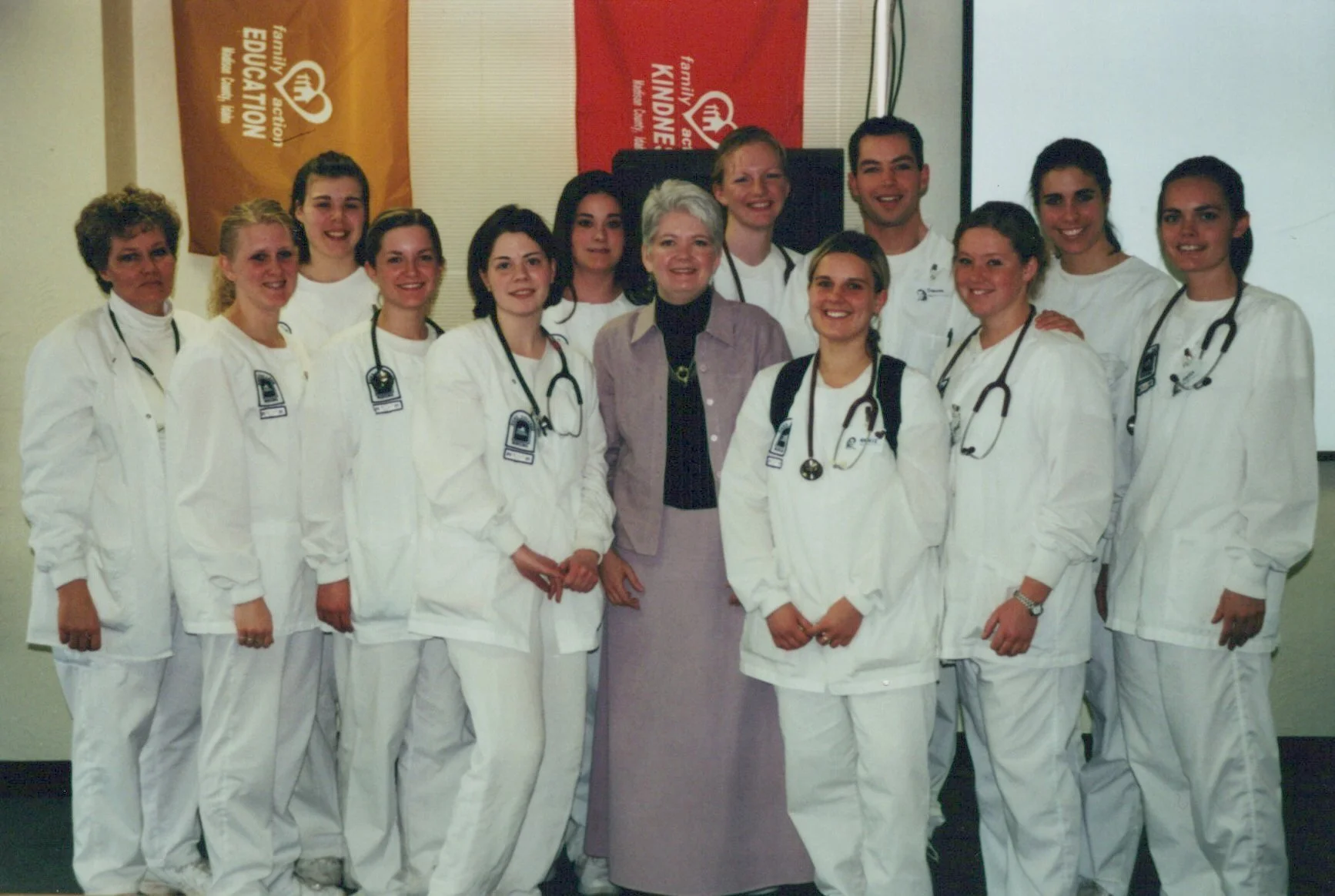
Debra then started her own consultancy business primarily because the work she did to save lives in CA and AWHONN did not reduce racial disparities. One of the most significant aspects of this work was launching the SPEAK UP Program that offers implicit and explicit racial bias education, launched in 2019. She is actively continuing this work now that these programs are being defunded. To date, Debra claims 2,000 SPEAK UP Champions across the country and is publishing a paper that outlines outcomes data in the Journal Health Equity.
"The goal isn't just to prevent death," she says. "Death is the floor. The goal is healthy communities, healthy people, people who thrive."
The Book at the Splash Park
David Jones came to his life's work the way most people come to the things that matter most, through his lived experience. He had been dragged through hospitals his whole childhood, watching his mother work. He attended McGill University in Montreal, then spent two years as a missionary for the LDS church in rural Idaho. Idaho was the state that his mother had been born in but he had never really known. There, he had seen poverty and health disparities in trailer parks and remote communities in a way that no textbook had prepared him for.
He was always good with data and research and quickly became known for that strength. He interned in the Idaho state legislature, where a legislator once asked him what research was he going to share with him that would make him "sound smart.” It was also here that he learned that local and state governments held more power over people's daily lives and daily health than most people in Washington ever acknowledged. He married Sarah, a nurse from France who was working in Canada, and earned his PhD at Michigan, where he added a master's degree in political science to his public health training. The couple had three children. Later, he landed at Boston University as a professor, published his first book, Exchange Politics: Opposing Obamacare in Battleground States, through Oxford University Press, and then turned his attention to the project that would become his life's last great work.
One Summer, David and Debra were at a splash park with his kids when he described the five-chapter outline to her for his book. She remembers it clearly. He had been thinking about it since at least 2014 and researching it seriously since 2016. The idea was to write about health disparities, specifically about the Mississippi Delta, one of the regions in the country with the worst health outcomes.. Inspired by Robert F. Kennedy’s visit there in 1967 to investigate reports of extreme poverty, malnutrition, and the efficacy of federal programs, David wanted to take this inspiration into his idea for writing a book that a policymaker could respect and a family member with different political views could actually read and understand.
His colleague at Marquette University called it genre-bending. David's gift, she said, was that he had such deep knowledge of health politics that he could go toe-to-toe with any academic, but he chose instead to write for the people on the other side of that divide, for his family members in rural Idaho, for the legislators who needed to understand why the circumstances of a community determine the health of the people in it. He wasn't interested in talking only to people who already agreed with him. He had seen too much of the country for that.
He never saw his book published. He went out for a run that morning and didn't come back.
His Mother's Next Chapter
The first thing Debra thought about, after the grief hit and before it fully swallowed her, was the book. It had been part of her conversations with David for so long, nearly a decade. She had been a colleague as much as a mother; she had even hired him as a consultant on her own work. To lose the book would have been, she says, an additional loss she wasn't prepared to go through.
So she published it. She paid the publisher extra to avoid cutting words, because every word was precious to her. "It may not have been the best decision to have a grieving mother as co-editor," she says, and laughs. "I couldn't cut anything." She and the other two co-editors Nicole Huberfeld and Sarah Gordon reorganized some chapters, updated data, thought carefully about how the book could be taught, and made edits to clarify points David was making. She sees it as a continuation of work she has spent her entire life doing, preventing unnecessary death, improving population health, making the case that where you are born should not determine whether you flourish.
The book argues, at its core, for three things. First, that health must be approached from the community up, that local and state governments hold enormous authority over the conditions that shape health, and that empowering communities to solve their own problems is more sustainable than waiting for national policy. Second, that the false choice between individual responsibility and collective action has to be abandoned; that both matter, that they are not opposites, and that the obsession with individual behavior has blinded us to the power of structural and social determinants of health. Third, that every community has strengths, and that the Mississippi Delta, often spoken about as a victim, has assets and people and possibilities that deserve to be seen clearly and supported, not rescued by outsiders with their own assumptions.
David's death, Debra says quietly, actually underscores one of his central points. We cannot hold individuals entirely responsible for their health outcomes. He was a healthy, active white man in middle age. He went for a run. That is not a story of individual failure. It is a story of how much in life is outside any person's control, and why we need systems, communities, and structures that protect us all.
To teach these ideas, Debra has developed a Rubik's Cube model, a visual representation of how the six sides represent 5 social determinants of health and health outcomes are interrelated, complex, and ultimately solvable through collective effort and the right algorithm. Her grandson Thomas, inspired by the metaphor, can now solve a Rubik's Cube in under twenty seconds. She created a postcard version for legislators and David’s book is part of her course syllabus at Curry College in Milton, Massachusetts. The NAACP North Shore Branch’s Health Committee has taken up the work of amplifying David’s work with Debra and hosted a book discussion in May at the Beverly Library. All proceeds from the book go back to the Mississippi Delta. “David promised 100% sales would go back to the Delta, and that’s what we’re going to do. I want to honor David’s ethical importance placed on giving back to those who have allowed him to tell the story of the Delta, as a metaphor for really any city or town”, she said.
"It's been lonely and hard working on David’s book without David," she admits. "Having other people grab hold of this really means the world to me."
What She Carries
Debra Bingham is a woman shaped by loss and persistence. She was the twelve-year-old girl who almost starved to death in a town where no one thought to send her to a specialist. She was the young mother dragging a small boy to Columbia University night classes, building a career from a nursing degree she had once thought of only as a fallback. She was the public health leader who weighed diapers and saved thousands of lives across the U.S by insisting that measurement mattered. She was the mother who sat at a splash park and listened to her son describe the book he was going to write, and who, when he was gone, made sure the world got to read it.
She sings in a choir in Brookline to manage the grief. She watches David’s children, Ollie, Annie, Thomas, and her other grandchildren and she thinks about what kind of world they will inherit, and what she still has time to do about it.
The book is called Ripples of Hope in the Mississippi Delta: Charting the Health Equity Policy Agenda. Its title comes from a belief David held and one Debra has carried forward, that small actions, a data point measured carefully, a door knocked on in rural Idaho, a conversation had across a political divide, a chapter written for the family member who might not agree, send ripples outward in ways no one can fully predict or trace. That the floor is not death, and that the ceiling is not just survival. That the goal, always, is for people to thrive.
"We don't need outside saviors," Debra says, speaking now of the Delta, of every community that has been studied and pitied and overlooked. "We need resources and support to reach our full potential." She has been saying some version of this her whole life. She learned it from a grandmother who climbed over a wagon seat and took the life she wanted. She taught it to a son who grew up to write it down.
Ripples of Hope in the Mississippi Delta: Charting the Health Equity Policy Agenda is available now. All proceeds from sales benefit the Mississippi Delta community. For more information, visit https://uncpress.org/9781469681092/ripples-of-hope-in-the-mississippi-delta/
To fund Debra’s upcoming documentary film: https://www.gofundme.com/f/davids-legacy-creating-ripples-of-hope